Life Sciences
Article
R&D Magazine – Airing Out Laboratory HVAC
A look at how energy savings can be achieved with accurate, intelligent solutions in laboratory applications.
R&D Magazine – 2010 Laboratory of The Year
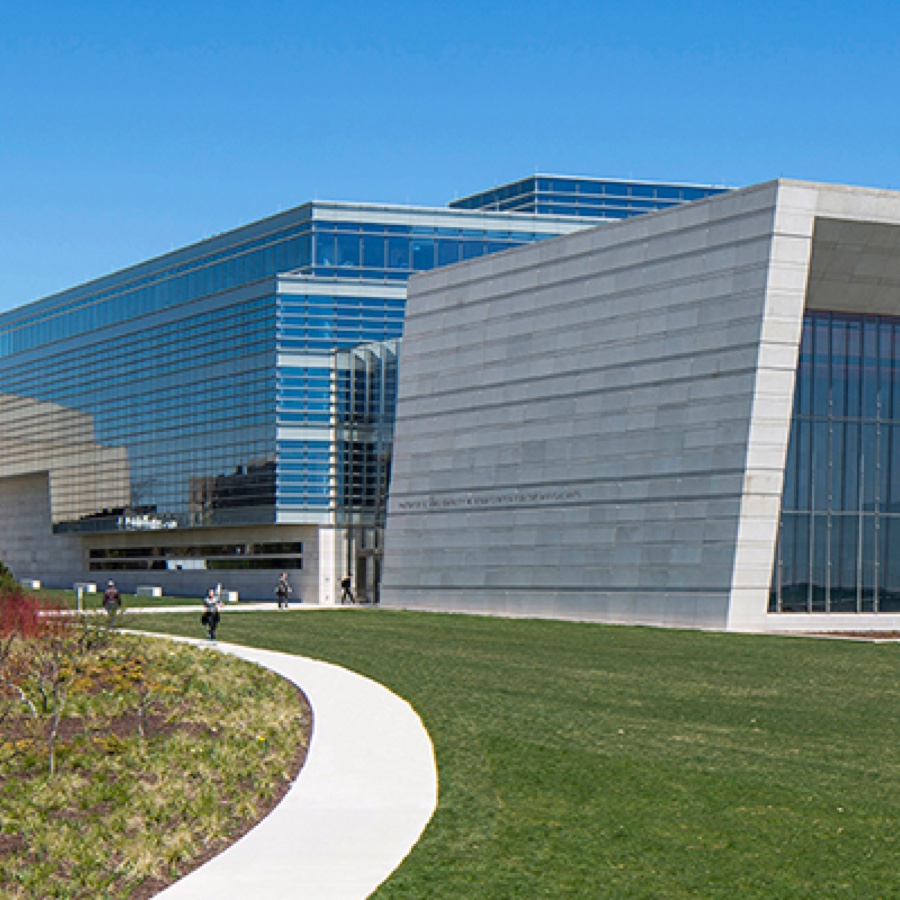
The Chicago Botanic Garden at The Plant Conservation Science Center was selected as the "2010 Lab of the Year" in R&D Magazine's annual competition.
R&D Magazine – 2010 Laboratory of The Year Honorable Mention
Texas Children's Hospital defies gravity to renovate and expand their facility to create the Feigin Center – featuring 12 floors of laboratory research and development space.
Today's Facility Manager – Using Smart and Healthy Ventilation to Improve Your Building's Energy Efficiency
Recent research indicates that buildings are responsible for roughly 40% of global energy consumption. Incorporating "green" building technology within your facility can alleviate the strain on our environment. Learn why Aircuity is focused on smart and healthy ventilation.
ASHRAE Journal – Demand-Based Control of Lab Air Change Rates
Achieving the safe reduction or variation of air change rates in labs and vivariums can represent the greatest single approach for reducing their energy consumption and carbon footprint.
ALN Magazine – Dynamic Variation of Lab Air Change Rates
A new approach to saving energy and enhancing safety.
Maintaining Quality and Reducing Energy in Research Animal Facilities
Laboratory Animal facilities need to make careful choices in design, equipment and working practices to create a more sustainable working environment.
Case Study
Press Release
Aircuity Customers Receive R&D Magazine’s 2010 Laboratory of the Year & Honorable Mention Categories
Success Brief
Life Science Success Brief
Life Science facilities are among the most energy intensive of all building types. These facilities are large consumers of heating and cooling energy. Aircuity's Lab DCV solutions make it possible for life sciences facilities to maintain a safe and comfortable working environment while significantly improving energy efficiency.
White Paper
OptiNet Applications – Dynamic Variation of Lab Air Change Rates
An in depth look at a unique sensing technology that makes varying air change rates a solution that works.
OptiNet Applications – A Healthier, More Energy Efficient Approach to Demand Control Ventilation
Identifying the underlying issues around the concept of DCV is how Aircuity's technology came to life. A multi-parameter approach is the answer to providing a healthy indoor environment.
OptiNet Applications – A Review of the Unique Requirements for Facility Monitoring System
To successfully and cost effectively enable energy savings applications such as demand controlled ventilation and differential enthalpy economizer control, a multi-parameter, multiple location, facility monitoring system should be deployed and at least meet the requirements described within this white paper.
Labs 21 Technical Bulletin – Laboratory Centralized DCV System Increases Energy Efficiency in Pilot Study
A centralized demand-controlled ventilation (CDCV) is a technological approach that uses a centralized suite of pollutant sensors to provide DCV.
Lawrence Berkeley National Labs: Technical Study on Lab CDCV
Laboratory Centralized Demand Controlled Ventilation System Increases Energy Efficiency in Pilot Study.
Find out the energy savings potential for your facility.